Third-party integrations turn a static interior design website into an active business engine. When chosen and configured correctly, these connections handle scheduling, payments, communication, and product sourcing without requiring your clients to leave the comfort of your website. At We Define Net, we build websites for design studios and creative founders, and the difference between a site that simply displays a portfolio and one that runs a business usually comes down to which integrations are in place. This guide walks you through the integrations worth considering, how they serve an interior design practice specifically, and how to avoid the most common setup mistakes that founders encounter when they try to do everything at once.
Why Your Website Needs to Do More Than Look Beautiful
An interior design website that only showcases finished rooms is leaving money and opportunity on the table. Your ideal client, a homeowner planning a renovation, a property developer with a portfolio of units, or a boutique hotelier looking for a refresh, arrives with specific questions and a timeline in mind. If your website cannot help them take the next step without picking up the phone or drafting an email, you have created friction at exactly the wrong moment in the buyer journey. Functionality matters just as much as imagery when the goal is to convert browsers into booked consultations and signed contracts.
Beyond conversion, the right integrations free up the time you would otherwise spend on administrative tasks. Responding to scheduling emails, chasing payment for deposits, manually updating a product catalog, or following up with leads who downloaded a brochure are all activities that software can handle at scale. When your website connects to the tools your team already uses, you reduce duplication, cut down on human error, and create a consistent experience for every person who engages with your studio online. That consistency is what builds trust, and trust is the currency of every interior design project.
There is also a perception factor at play. A website that can process a consultation booking, display a shoppable product list, and offer live chat in the same visit signals that your studio operates at a professional level. Clients who are investing significant sums in a renovation or build-out are evaluating every touchpoint, and a website that feels capable and current reinforces the confidence they need to move forward. The opposite is also true: a site that looks polished but cannot handle basic transactional tasks can leave a prospect wondering whether the studio itself is as outdated as its infrastructure.
The Integrations That Matter Most for Interior Design Studios
Not every integration available on the market is relevant to the way an interior design business operates. The tools worth investing in are the ones that remove friction from three core activities: letting new clients book consultations, letting existing clients review and approve selections, and letting prospects understand your design philosophy and past work without forcing them to search across multiple platforms. Every integration you add should serve at least one of those goals directly. If it does not, it belongs on a personal to-do list, not on your website.
The categories that matter most for design founders are scheduling, e-commerce or product sourcing, visual portfolio management, customer relationship tracking, and real-time communication. Each category addresses a different pain point, and together they create a workflow that feels smooth to the client even though dozens of automated processes are running behind the scenes. The sections that follow break down what to look for in each category and which features deserve priority during the initial build of your site.
Scheduling and Booking Tools
A scheduling integration is often the highest-return addition a newly launched design studio can make. Instead of back-and-forth emails to find a mutually available time, a booking tool lets clients see your real-time calendar, select a consultation slot, and receive automatic confirmation, all before a single conversation occurs. For interior designers, this is particularly valuable because initial consultations tend to be in-person or video-based, last between thirty minutes and an hour, and often involve a questionnaire about space, budget, and style preferences that the client can complete as part of the booking flow.
Look for tools that support custom intake forms, buffer time between meetings, and automatic reminders sent by email and SMS. Buffer time prevents the all-too-common situation where a site visit runs long and the next client is left waiting. Reminders reduce no-shows, which are especially costly when travel is involved and a design professional has carved out a full afternoon for an on-site assessment. Some tools also allow clients to reschedule directly from their confirmation email, which further reduces the administrative burden on your team and keeps the relationship positive even when plans change.
When evaluating scheduling platforms, pay attention to how they handle multiple team members. If your studio has more than one designer, you will want the booking page to let clients choose between them or route them automatically based on project type or availability. Group scheduling, where a client books a single consultation that includes the principal designer and a junior associate, is a feature worth looking for if your projects tend to be collaborative. At We Define Net, we often recommend integrating a scheduling platform during the website development phase so that the booking experience feels native rather than pasted onto an existing design as an afterthought.
E-Commerce and Product Sourcing Platforms
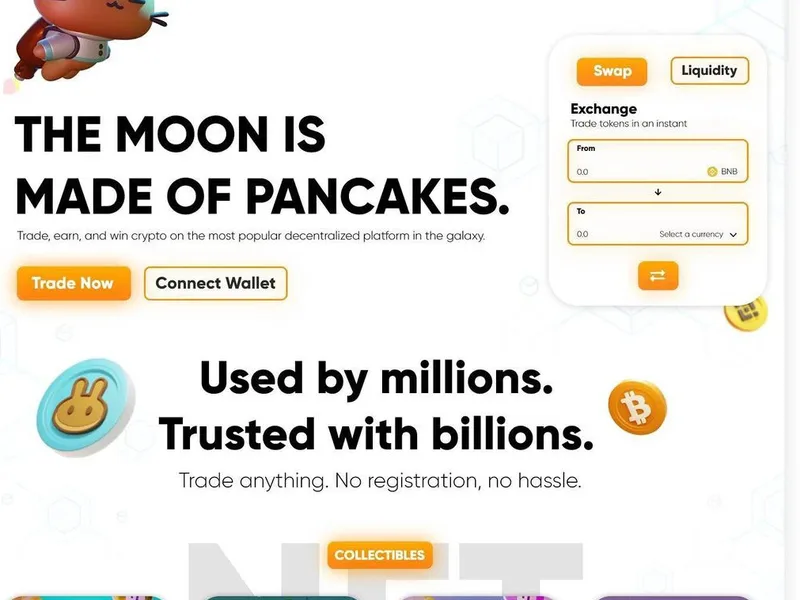
Many interior designers build relationships with furniture makers, textile suppliers, and artisans whose products they would like to feature, and sometimes sell, directly through their website. An e-commerce integration connects your site to a product catalog, manages inventory levels, processes payments, and generates shipping labels without manual intervention. If you have ever thought about offering a curated shop alongside your design services, this is the category that makes that possible without requiring you to become a full-time retailer.
Even designers who do not sell physical products can benefit from a product-sourcing integration. Some platforms allow you to build shoppable room layouts or a shop-the-look section that links directly to supplier product pages, earning you a commission on qualified referrals. This turns your portfolio into a revenue stream and gives clients a clear path from inspiration to purchase. When evaluating e-commerce options, pay close attention to how the platform handles product variants, because interior design catalogs tend to have far more variation than a standard apparel or electronics store. Fabric swatches, finishes, sizes, and material combinations multiply quickly, and a platform that cannot handle complex product data will create more problems than it solves.
Visual Portfolio and Mood-Board Integrations
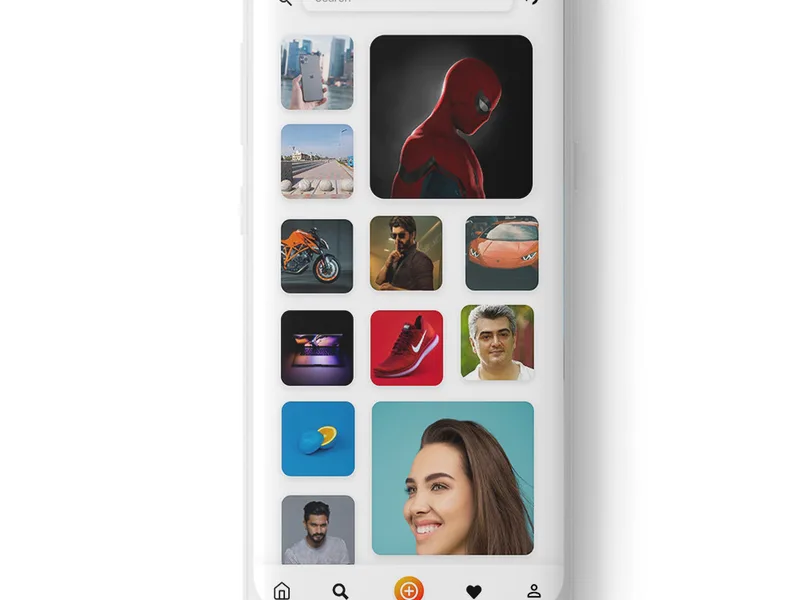
Your portfolio is your most powerful marketing asset, and the integrations surrounding it should make that portfolio easier to explore, share, and update. Platforms like Houzz, Pinterest, and Instagram already serve as discovery channels for interior design clients, and connecting them to your website creates a content loop where a blog post about a recent renovation can be shared across social channels and then embedded back into a case study page with no extra effort beyond the initial setup.
Some designers choose to embed dynamic feeds from social platforms directly into their site so that new project photos appear automatically without requiring a website update. Others integrate dedicated portfolio management systems that let them tag projects by room type, style, budget range, and location, making it easy for a visitor to find work that closely matches their own needs. Either approach reduces the time between finishing a project and showing it to potential clients, which is critical in a field where trend cycles move quickly and a body of recent work signals that your practice is active and in demand. Pairing strong portfolio integrations with an effective social media marketing strategy extends that reach even further across the platforms where design-conscious clients spend their time.
CRM and Client Relationship Management
A customer relationship management system tracks every interaction a prospect or client has had with your studio, from the first website visit to the final post-project follow-up. When your website integrates with a CRM, every form submission, consultation booking, resource download, and contact form message is logged automatically, building a detailed timeline that your team can act on without re-entering data by hand or hunting through email threads for context.
For interior design studios, the CRM is where projects are born. A lead who downloads a guide to kitchen renovation budgets should receive a sequence of follow-up messages that nurture them toward a consultation. A client who just signed a contract should trigger an onboarding workflow that sends them style questionnaires, deposit invoices, and preliminary timelines. Without an integration between your website and your CRM, those sequences rely on someone remembering to set them in motion, and in a growing studio that kind of manual handoff is exactly where leads fall through the cracks. The integration removes that dependency entirely.
Communication and Live Chat Solutions
Live chat integrations let visitors ask questions and receive answers in real time, which is especially useful for design studios that field questions about availability, pricing models, service areas, and portfolio availability. A well-configured chat tool can answer frequently asked questions instantly using a pre-built knowledge base, collect contact information from interested visitors, and route more complex inquiries to the right team member. Some tools also support proactive messages, for example, a greeting that appears when a visitor has been on the pricing page for more than thirty seconds, which can increase the number of consultations booked directly from the site.
When choosing a chat solution, consider whether it integrates with the other tools in your stack, particularly your CRM and scheduling platform. A chat conversation that results in a booked consultation should create a lead record in your CRM without anyone copying and pasting details between systems. This kind of smooth handoff is exactly what integrations are supposed to deliver, and it is worth confirming that your preferred tools communicate with each other before committing to either one. If your studio also publishes thought leadership or project stories, a content writing service can help you craft the pages and blog posts that give visitors reasons to start that chat in the first place.
Integration Comparison Checklist
The table below compares the main integration categories discussed in this guide across four criteria that matter to design founders: implementation complexity, ongoing maintenance demands, direct revenue impact, and improvement to client experience. Use it as a starting point when discussing priorities with your development team or agency, and adjust the ratings based on the specific tools you are evaluating for your studio.
| Integration Category | Implementation Complexity | Ongoing Maintenance | Revenue Impact | Client Experience |
|---|---|---|---|---|
| Scheduling and Booking | Low to Moderate | Low | High, fills calendar and reduces no-shows | High, instant booking and automated reminders |
| E-Commerce and Product Sourcing | Moderate to High | Moderate | High, direct sales and referral commissions | Moderate to High |
| Visual Portfolio and Social Feeds | Low to Moderate | Low to Moderate | Moderate, drives inquiry volume | High, rich, current visual content |
| CRM Integration | Moderate | Low to Moderate | High, better lead follow-up and conversion | Moderate, more relevant communication |
| Live Chat and Communication | Low | Low to Moderate | Moderate, captures visitors who might otherwise leave | High, immediate answers to pressing questions |
No single row on this checklist is a mandate on its own. The right combination depends on your studio size, your typical project type, and where your current bottleneck sits. A solo designer with a waiting list may need scheduling and CRM tools more than an e-commerce setup. A growing studio launching a furniture line may prioritize product integrations above everything else. Let your current business goals dictate the order in which you build these connections, and revisit the list each quarter as your practice evolves.
How to Choose the Right Integrations for Your Stage of Growth
A solo founder or a two-person studio running projects out of a shared workspace has very different needs from a twenty-person practice with project managers, a dedicated accounts team, and multiple concurrent residential and commercial jobs. The integrations that make sense at launch are not necessarily the same ones that make sense eighteen months later, and it is worth planning for that evolution from the beginning rather than retrofitting your infrastructure under pressure when your client volume outgrows your current setup.
In the early days, prioritize integrations that directly reduce administrative load and improve lead response time. A scheduling tool and a basic CRM integration will likely deliver more immediate value than a sophisticated e-commerce platform, simply because the biggest risk at that stage is losing prospective clients to slow follow-up. As your project pipeline deepens and you begin to hire specialists, a project coordinator, a procurement manager, a marketing lead, you can layer in more advanced integrations that support internal workflows. The key is to build on a foundation where your website, your scheduling, and your CRM are already connected so that every new tool has a clear data source and destination. If you are still in the early stages of establishing your digital presence, our brand strategy service can help you define the positioning that will inform every integration decision you make going forward.
Common Mistakes to Avoid
The most common integration mistake interior design founders make is adding too many tools at once. Each integration is a dependency: it needs to be configured, tested, monitored for changes on the provider side, and occasionally replaced when a platform updates its API or restructures its pricing. A website with twelve integrations is harder to maintain than one with four, and the marginal benefit of each additional tool shrinks rapidly once the core workflow is covered. Start with the essentials, measure whether they are working for your team and your clients, and expand only when you have a clear, data-backed reason.
A second mistake is choosing tools based on popularity within the broader design community rather than fit with your specific workflow. A scheduling platform that every large design magazine recommends may not support the consultation types or the team structure your studio uses. An e-commerce engine that works beautifully for a ready-made furniture brand may be over-engineered for a designer who sources bespoke pieces on a project-by-project basis. Always map a tool against your actual process before committing to it, and ask your development team to confirm that the integration is stable and well-supported before you build it into your client-facing experience. If your current website was built without a clear integration plan, a thoughtful website development engagement can help you restructure it around the tools your studio actually needs.
A third mistake is forgetting about the mobile experience. Many scheduling, chat, and e-commerce integrations behave differently on mobile devices than they do on a desktop browser. A booking widget that looks elegant on a large screen might collapse awkwardly or trigger a new browser tab on a phone, breaking the sense of seamlessness you worked hard to create. Always test integrations on real mobile devices, not just browser resizing tools, before launching, and confirm that the mobile version of each tool reflects the quality your clients expect from your brand. The same attention to detail that makes your physical spaces feel intentional should carry over to the digital ones.
A fourth mistake is neglecting the relationship between your website integrations and your search engine visibility. The technical setup of your integrations, how scripts load, how pages render, how quickly dynamic content appears, can all influence how search engines crawl and rank your site. If you are investing in integrations to improve the client experience, it makes sense to protect that investment with strong technical foundations. Our SEO service covers the structural and content-level optimizations that ensure your beautifully integrated site reaches the audience it was built to serve.
Frequently asked questions
What are third-party integrations for interior designers?
Third-party integrations are connections between your website and external software tools that handle specific functions, booking, payments, chat, product catalogs, and more, without requiring your clients to leave your site. For interior designers, the most useful integrations typically cover scheduling consultations, managing client communications, displaying shoppable products or room layouts, and feeding portfolio updates from social platforms. Each integration is built using an API provided by the third-party service, which means your development team can configure how the two systems communicate and what data passes between them. The goal is always a smooth experience where the client never feels like they have moved between separate products or left the environment your brand has created.
How do I know which integrations my interior design website actually needs?
Start by listing the manual tasks your team repeats most often and the places where prospective clients currently hit friction. If clients regularly email to ask about availability, a scheduling integration should be near the top of your list. If your project managers spend hours each week logging consultation notes by hand, a CRM integration will save meaningful time and create a more reliable record of every client interaction. If clients consistently ask where to buy the furniture or lighting in your portfolio images, a product-sourcing integration is worth exploring. This task-based approach is more reliable than chasing every new tool that other designers are talking about on social media, because it ties your investment directly to outcomes your studio is already trying to achieve. Write down the five most time-consuming or frustrating parts of your current workflow and evaluate each potential integration against that list before making any decisions.
Can I add integrations to an existing website, or do I need to rebuild from scratch?
Most integrations can be added to an existing website without a full rebuild, provided the site was built on a modern platform with a flexible architecture. The effort required varies depending on how the original site was structured and whether the tools you want to connect offer stable, well-documented APIs. In some cases, an integration can be added in a matter of hours. In others, particularly when the existing codebase is custom and tightly coupled, it may be more efficient to refactor the site alongside a broader refresh. If you are unsure where your current site stands, a website development consultation can help you map the most efficient path forward and identify any underlying technical constraints before you commit to a new integration roadmap.
Do integrations slow down my website’s performance?
Integrations can affect page load speed if they are not implemented carefully, but the impact is usually manageable with proper configuration. Scripts loaded synchronously, meaning they block other content from loading until they finish executing, are the biggest culprit behind performance problems. Asynchronous loading, where the integration script loads in the background without delaying the rest of the page, is the standard approach for most modern tools and should be the default for any integration your team evaluates. Content delivery networks, lazy loading for media-heavy integrations, and selective loading, only loading a tool on the pages where it is actually needed, further reduce performance impact. A well-built site should feel fast to visitors even with several integrations active, and any performance issues should be caught during testing before the site goes live to the public.
What is the realistic cost of setting up integrations for an interior design studio?
The cost depends on which tools you choose, how many you need, and how your website was originally built. Scheduling and chat tools tend to be the least expensive to implement, often requiring only a small amount of configuration work and a modest monthly subscription from the tool provider. E-commerce and CRM integrations can require more development hours because they involve syncing product data, customer records, and payment flows between separate systems. Some tools offer free tiers that are sufficient for new studios, while others charge per user or per transaction, which means costs grow alongside your business volume. Always ask for a clear estimate before your development team begins work so that you can phase integrations against your available budget rather than funding everything at once. If you would like to discuss a tailored approach for your studio, reach out at our contact page or by email at info@wedefinenet.com.
How often do I need to update or review my integrations?
Integrations should be reviewed at least once a quarter and whenever a tool provider announces a significant change, such as an API version update, a pricing restructure, or a feature deprecation. Many integrations fail silently, they continue to appear functional on the front end while quietly stopping the flow of data behind the scenes, which is exactly why periodic testing matters more than a one-time launch check. Assign someone on your team to confirm that new booking confirmations reach your calendar, that chat messages arrive in your inbox, and that product inventory stays current after each quarterly review cycle. This quarterly check takes a small amount of time but prevents the kind of disruption that can damage client relationships when an integration quietly stops working in the middle of an active project.
Build a Website That Works as Hard as You Do
Your interior design studio deserves a website that reflects the quality of your work and handles the operational tasks that keep your business moving forward. The right integrations turn your site into a client-facing system that schedules consultations, nurtures leads, showcases your latest projects, and processes transactions, all while you focus on the design work that only you can do. At We Define Net, we bring together strategy, design, and development to build websites that serve both the aesthetic ambitions and the operational realities of the studios and founders we work with. We are a Chennai-based studio serving clients internationally, and we would welcome the chance to understand your practice and recommend the integrations that will have the greatest impact on your day-to-day operations.
Ready to explore which integrations make the most sense for your interior design practice? Get in touch with We Define Net at info@wedefinenet.com or call us at +91 63824 32453 / +91 63816 32453. Visit our contact page to tell us about your project and we will respond within one business day.