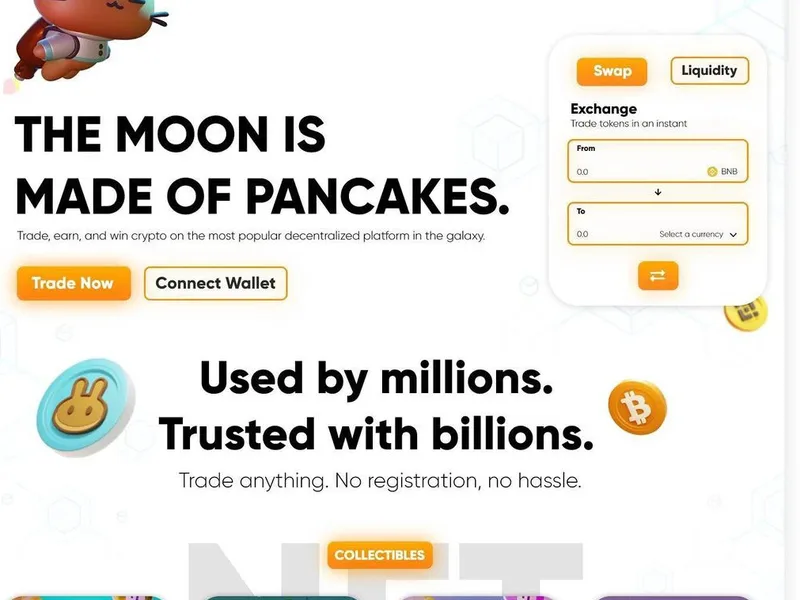
Launching a mobile app in fintech is a different proposition from launching one in any other category. The stakes are higher, the regulations more stringent, the user expectations sharper, and the cost of failure measured not just in downloads but in trust. A fintech startup that approaches mobile app development as a technology project rather than a strategic one will almost always struggle. The startups that succeed treat their app as the central operating system of their business, shaping every product, marketing, and operational decision around it. This guide walks through the decisions that actually matter, in the order you should think about them.
Start with real user behaviour, not assumptions
The most common mistake we see among fintech founders is building an app that solves a problem the founders think users have rather than one users have actually told them they have. Financial behaviour is notoriously private and inconsistent. People say they want to save more, yet few adopt budgeting tools. People complain about bank fees, yet few switch providers. Before writing a single line of code, spend time understanding the actual financial tasks your target users perform daily, weekly, and monthly, and the pain points within those tasks that are painful enough to motivate a change in behaviour. Ethnographic research, diary studies, and structured interviews will serve you better than any competitor analysis at this stage.
One way to test whether your hypothesis is strong enough is to attempt to acquire users through a landing page or waitlist before building anything tangible. If you cannot explain the value proposition clearly enough to attract sign-ups, the app itself will not fix that problem. Equally, observe what fintech apps your target users already have on their phones. The presence or absence of competing apps tells you something important about market readiness and user habit formation. This discovery work also informs the search engine optimization strategy that should run in parallel with your app development, because the keywords users type when looking for your solution reveal the language they use to describe their own pain.
Define your scope before choosing your platform
The native versus cross-platform debate is one of the most discussed topics in mobile development, and for good reason: the decision affects cost, timeline, performance, and long-term maintainability. But the right answer depends almost entirely on what your app does. If your fintech app relies heavily on device hardware, such as camera-based cheque deposit, NFC payments, or biometric authentication, native development will deliver a noticeably better experience and may be the only viable path. If your app is primarily a content and transaction interface with standard form inputs and API-driven data, a cross-platform framework can cut development time significantly without compromising the user experience in ways your audience will notice.
Equally important is the decision between iOS, Android, or both at launch. In many global markets, Android dominates market share, while iOS users tend to generate higher revenue per user and engage more deeply with financial products. Your choice should reflect where your specific target audience lives and what their device preferences are. Launching on a single platform first is not a sign of weakness, it is a sign of focus. A polished experience on one platform is always better than a mediocre experience on two. When you do expand to the second platform, the lessons from the first launch will make the second considerably stronger.
Build compliance into your architecture from day one
Compliance is not a feature you bolt on before launch. It is a design constraint that should shape your database schema, your API design, your authentication flows, and your data retention policies from the earliest architecture decisions. The regulatory frameworks that apply to fintech apps vary by jurisdiction, know-your-customer requirements, data localization laws, anti-money laundering obligations, consumer financial protection rules, and the cost of retrofitting compliance onto an existing architecture is substantially higher than building it in from the start.
Beyond the legal minimum, compliance decisions influence user experience in direct ways. Identity verification flows can feel like friction, yet they are non-negotiable for most financial products. The startups that handle this well treat verification as a progressive journey rather than a single gate, gathering only what they need at each step and explaining why. Encryption standards, secure session management, and audit logging should be specified in your technical requirements, not left as implementation details for later. If you are working with a dedicated app development partner, make sure compliance requirements are documented and agreed upon before development begins, not after.
Security is a feature, not an afterthought
Users hand fintech apps some of the most sensitive data they possess: transaction histories, account balances, identity documents, and payment credentials. A single security incident can destroy a startup’s reputation permanently. The security practices that matter most at the application layer include end-to-end encryption of sensitive data both in transit and at rest, secure token-based authentication rather than session IDs stored insecurely, certificate pinning to prevent man-in-the-middle attacks, and regular penetration testing of the API layer. On the client side, avoid storing sensitive data in device storage that other apps can access, implement proper keychain or keystore usage, and consider whether biometric authentication is appropriate for your risk profile.
Security is also a team culture issue, not just a technical one. Every developer who touches your codebase should understand the OWASP Mobile Top 10 and the specific threats relevant to your app’s functionality. Code review processes should include security checks. Third-party SDKs should be audited before inclusion, because a single vulnerable dependency can expose your entire user base. Establish a responsible disclosure policy so that security researchers can report vulnerabilities to you directly rather than through public channels.
Design for the financial context, not just the app store
Financial applications operate in a context of heightened user anxiety. People open their banking app when they are low on funds, when a payment has failed, when they are trying to understand a charge they do not recognise, or when they are making a large transaction they care deeply about. Your design needs to account for this emotional state. Clear error messages, transparent explanations of fees and terms, and predictable navigation patterns all reduce cognitive load at the moments when users are most stressed.
Onboarding deserves particular attention. The average fintech app loses a significant portion of users during the onboarding flow, often because the process demands too much information before the user has experienced any value. Consider splitting onboarding into a lightweight initial experience, where the user can explore the app and understand its value, and a fuller setup that occurs after they have decided to engage more deeply. This approach requires thoughtful state management in the app but pays dividends in completion rates. Your brand strategy should inform the tone and visual language of the app, because the way your brand communicates in marketing materials and the way your app communicates in moments of user stress need to feel like the same entity.
Choose a tech stack that matches your team and your timeline
The technology choices you make at the start will shape your team’s hiring options, your infrastructure costs, and your ability to iterate quickly in the months after launch. For the backend, fintech applications benefit from languages and frameworks with strong typing, mature ecosystem support for financial libraries, and good concurrency handling. Many fintech startups build on battle-tested stacks rather than emerging frameworks, because reliability and auditability matter more than novelty in financial software. Your API layer should be designed to serve not just the mobile app but also any web dashboard, admin tools, or third-party integrations you anticipate needing.
On the mobile side, consider whether your team has deep experience in the platform you are choosing. A team that knows one framework well will build a better product faster than a team learning a new framework under launch pressure. If you are outsourcing development, look for a partner with demonstrated fintech experience rather than general mobile experience, because the domain knowledge around financial data handling, regulatory requirements, and user expectations is hard to acquire quickly. A strong website development capability is also worth considering as part of the same engagement, because your marketing site and your application will share data models, design systems, and integration requirements.
Architect for integrations, not isolation
Modern fintech apps do not exist in isolation. They connect to payment processors, banking APIs, identity verification services, analytics platforms, customer support tools, marketing automation systems, and often other financial products through open banking standards. Each of these integrations introduces points of failure, latency considerations, and data synchronization challenges. Designing your API layer and data model with integration in mind from the start prevents painful refactoring later.
Payment processing deserves special attention. The flow from the user tapping a pay button to money arriving in a merchant account involves multiple systems, each of which can fail in different ways. Design for failure at every step: network timeouts, payment declines, currency conversion delays, and reconciliation mismatches. Your users will forgive a brief loading indicator; they will not forgive a payment that appears to have gone through but did not, or one that appears to have failed but succeeded. Reconciliation dashboards and automated alerting for payment anomalies are not luxuries, they are operational necessities from day one. At the same time, your go-to-market planning should leverage targeted email campaigns to keep early users informed about new features and compliance updates as your product evolves.
Plan your launch as a sequence, not an event
Launching a fintech app involves more stakeholders and more risk than launching most other types of mobile applications. App store review for financial products often takes longer and requires more detailed documentation than other categories, because platforms apply additional scrutiny to apps that handle payments, financial data, or regulated activities. Plan for review timelines of several weeks rather than days, and prepare all required documentation, privacy policies, terms of service, regulatory disclosures, and screenshots demonstrating your app’s functionality, well before you intend to submit.
A phased rollout strategy reduces risk substantially. Begin with a closed beta involving a small group of real users who can provide detailed feedback under real-world conditions. This phase will surface usability issues, performance problems on specific device models, and edge cases in financial calculations that internal testing will miss. After the closed beta, move to a soft launch in a limited geographic market. This gives you real-world operational experience with your customer support, monitoring, and incident response processes before your app is available to a broad audience. During this period, maintain your digital presence with clear messaging about your product roadmap and timeline, because prospective users will be searching for information about your app before and during its launch.
Instrument everything and monitor relentlessly
The period immediately after launch is when the most expensive architectural mistakes reveal themselves. Users on older devices will experience crashes that your testing environment never simulated. Payment flows will break in ways you did not anticipate. Server infrastructure that handles ten concurrent test users will buckle under actual load. Thorough monitoring is not optional. Track application crash rates by device model and operating system version, API response times by endpoint, payment conversion rates by step in the funnel, and user session duration as a leading indicator of engagement.
Set up alerts for anomalies before you need them. A sudden drop in successful payments, a spike in authentication failures, or an increase in support tickets about a specific feature should trigger immediate investigation. Having the right dashboards in place means your team can respond to problems within minutes rather than hours or days. Equally important is establishing a feedback loop between user-reported issues and your development prioritisation process. Fintech users who encounter problems with their money are highly motivated to tell you about them, make it easy for them to do so and make sure their feedback reaches the people who can fix it.
Iterate based on behaviour, not feedback alone
User feedback is valuable, but it tells you what people say they want. User behaviour tells you what they actually do. The most successful fintech apps are built by teams that look closely at usage data, which features users actually engage with, where they drop off in critical flows, how long they spend in different parts of the app, and let that data drive their roadmap decisions. This does not mean ignoring qualitative feedback. It means weighting behavioural data more heavily when the two conflict, because users frequently overstate their intention to adopt features that sound good in concept but that they do not use in practice.
Update cadence is another strategic decision. Fintech users need to trust that their app is stable and secure, which makes frequent, disruptive updates counterproductive. However, the financial landscape changes regularly, regulatory updates, new product features, and security patches all require timely delivery. A balanced approach involves a regular update schedule for minor improvements and bug fixes, with major feature releases bundled and well-communicated in advance. Communicating changes clearly in release notes, and through targeted email updates to your user base, builds trust and reduces support load.
Key decisions at a glance
| Decision Area | Native Option | Cross-Platform Option | Key Consideration |
|---|---|---|---|
| Development Approach | Swift for iOS, Kotlin for Android | Flutter, React Native, or similar frameworks | Native excels at hardware integration and performance; cross-platform reduces initial build cost and ongoing maintenance overhead |
| Launch Strategy | Single platform first, then expand | Both platforms simultaneously | Single-platform launches let you refine the product with real users before scaling |
| Authentication Method | Biometrics with keychain/keystore storage | Platform-agnostic biometric libraries with secure enclave integration | Biometrics reduce friction but require fallback authentication for accessibility and device compatibility |
| API Architecture | REST or GraphQL with strong typing | Shared API layer serving all platforms | Well-designed APIs serve the app, the web dashboard, and any future integrations without refactoring |
| Monitoring Scope | Platform-specific crash reporting and performance tools | Unified monitoring across platforms with device breakdown | Crash rates vary significantly by device model and OS version in financial applications |
Frequently asked questions
How long does it realistically take to build a fintech mobile app?
The timeline depends heavily on the complexity of your product, the depth of regulatory requirements in your target markets, and whether you are building with an in-house team or a development partner. A minimally viable fintech app with standard transaction and account functionality can take several months to move from a defined specification to a launch-ready state, assuming parallel work on backend infrastructure, API development, and mobile interfaces. More complex products involving lending, investment, or cross-border payments will take longer, partly because the compliance and security requirements demand additional design and testing cycles. Factor in buffer time for app store review, which tends to take longer for financial applications than for other categories, and for the closed beta and soft launch phases that are particularly important when handling other people’s money.
Should a fintech startup build an app, a web app, or both?
Most fintech startups benefit from having a web presence, at minimum a marketing site and often a web-based dashboard for users to manage their accounts on larger screens. The question of whether to launch with a mobile app, a progressive web app, or both at the start depends on the nature of your product and your users’ context. If your product involves frequent, location-aware interactions, such as contactless payments or in-store scanning, a native mobile app is likely the right primary channel. If your product involves complex data analysis, document uploads, or administrative tasks, a web interface may serve users better for those functions. Many successful fintechs start with a web app to validate the product, then introduce a mobile app once they have product-market fit and the resources to build and maintain it well. You can explore our website development services for the web component of your digital product.
What compliance requirements apply to fintech mobile apps?
Compliance requirements vary significantly by jurisdiction and by the specific type of financial activity your app supports. Payment processing apps face different regulatory obligations from investment apps, which face different obligations from lending platforms. Common requirements across many jurisdictions include know-your-customer identity verification, anti-money laundering transaction monitoring, secure data storage and transmission standards, transparent disclosure of fees and terms, and mechanisms for handling user disputes and data access requests. Some countries require financial data to be stored on servers within their borders. Before launching in any market, engage a legal advisor with specific fintech experience in that jurisdiction. The cost of compliance advice is small relative to the cost of regulatory penalties or the reputational damage of a compliance failure.
How should a fintech startup approach user onboarding?
Fintech onboarding is one of the most delicate balancing acts in product design. You need to collect enough information to comply with regulations and manage risk, but you also need to demonstrate value quickly enough that users do not abandon the process. The pattern that works well for many fintech products is a staged onboarding flow: the user signs up with minimal information and experiences the core value of the app, seeing their spending categorised, receiving a savings insight, or completing a quick peer-to-peer payment, before the app requests the full set of verification documents and personal details. This sequencing requires careful state management and clear communication about what happens next and why, but it substantially improves completion rates compared to a single long form at the point of sign-up.
What are the biggest technical risks in fintech app development?
The risks that cause the most damage are rarely the ones that get the most attention. Server outages during peak usage are obvious and well-prepared for by most teams. The subtler risks include race conditions in transaction processing that produce incorrect balances under high concurrency, timezone and currency handling errors that create reconciliation problems across markets, third-party API changes that break integrations without warning, and memory leaks on specific device models that cause gradual degradation rather than immediate crashes. Invest in thorough integration testing with the external services your app depends on, implement thorough logging so that every financial transaction can be traced and audited, and maintain a staging environment that mirrors your production environment closely enough that edge cases can be discovered before they affect real users.
How should a fintech startup market a mobile app before and after launch?
Marketing a fintech app requires building trust before you ask for any meaningful user action, because the product involves handling people’s money. Before launch, content that educates your target audience about the financial problem you solve, published on your website, shared through social media, and distributed through relevant communities, establishes credibility and generates an audience of people already interested in your solution. App store optimisation, informed by the SEO research you conducted during the discovery phase, helps users find your app when they search for solutions. After launch, referral programmes and in-app sharing mechanisms can be particularly effective in fintech, because financial products benefit from social proof in a way that few other product categories do. Keep your messaging grounded in specific user benefits rather than abstract claims about innovation or disruption.
Building a mobile app strategy that serves a fintech startup well requires holding multiple competing priorities in balance: speed of delivery against thoroughness of compliance, user convenience against security rigour, and ambitious feature sets against the operational capacity to support them reliably. The startups that navigate these trade-offs successfully are the ones that invest heavily in the discovery and planning phases before they commit to building, that treat compliance and security as architectural decisions rather than launch checklist items, and that remain focused on the specific financial behaviour they are trying to change rather than the features their competitors are offering. If you are navigating these decisions for your own fintech product, we would be glad to talk through them with you.
At We Define Net, we build mobile and web applications for fintech startups that need a strategic, experienced development partner. Based in Chennai and working with clients internationally since 2019, our app development team understands the specific demands of financial products, from regulatory considerations to security architecture to the nuances of financial user experience. If you would like to discuss your fintech app, reach us at our contact page or email info@wedefinenet.com. You can also call us directly at +91 63824 32453 or +91 63816 32453.