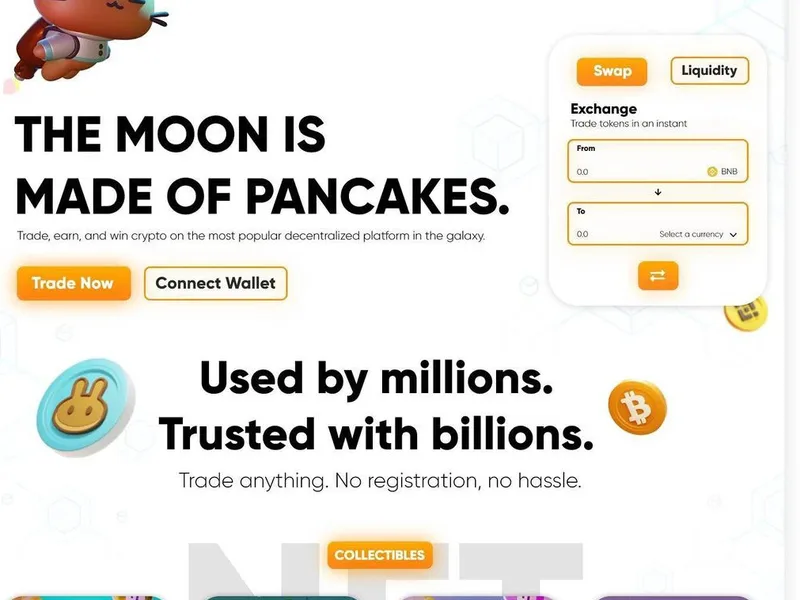
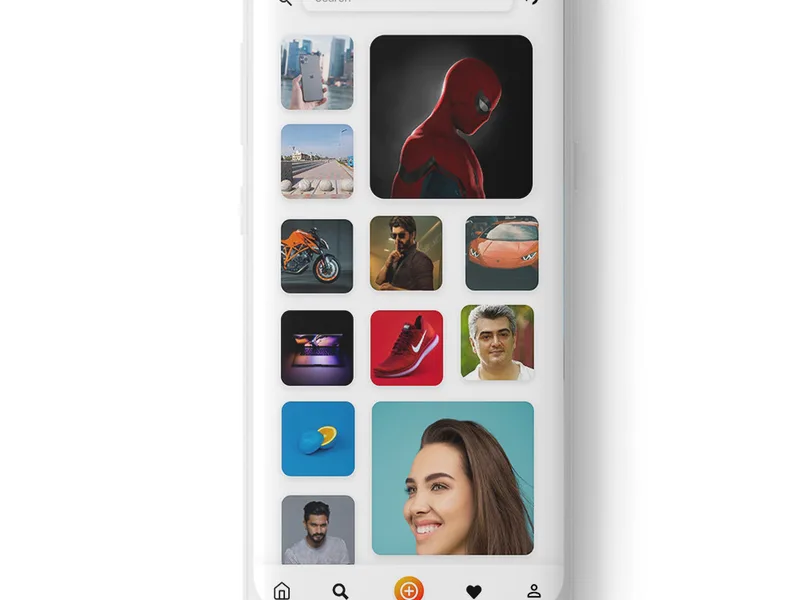
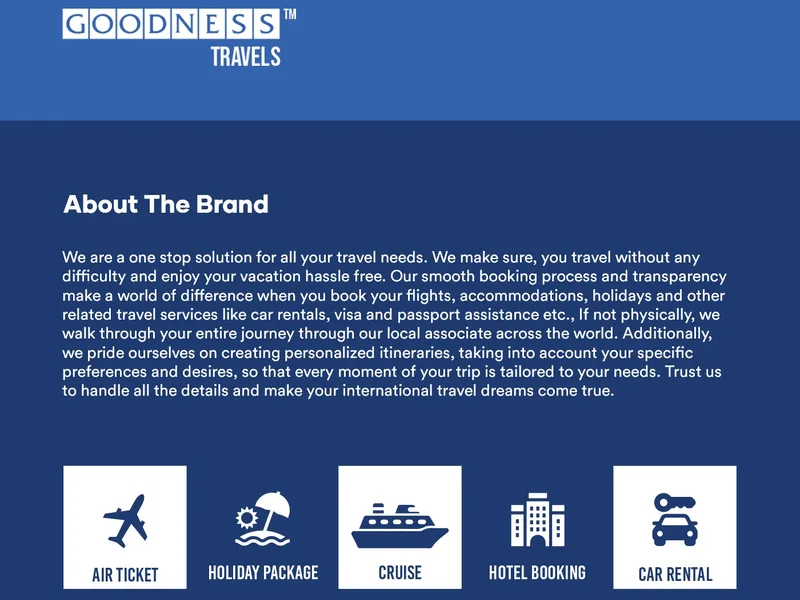
A well-built PPC landing page is the single most important element in converting paid ad spend into tangible results. When someone clicks your ad, they land on a page that either closes the deal or loses the lead, and the difference almost always comes down to how intentionally that page was designed. At We Define Net, we treat landing page strategy as a core pillar of our PPC advertising service, because even the most carefully targeted campaign underperforms when the landing experience fails to match the promise made in the ad. This guide walks through a practical framework that you can apply to any business, whether you run Google Ads, social media campaigns, or display networks, and it is grounded in the realities of running paid traffic at scale.
What Is a PPC Landing Page and Why Does It Matter
A PPC landing page is a standalone web page built specifically for people arriving from a paid advertisement. Unlike a homepage or a generic product page that tries to serve every visitor at once, a PPC landing page has one job: convert the visitor into the next step in your funnel, whether that is a lead capture, a purchase, a demo booking, or a phone call. The page removes every distraction that might pull a visitor away from that single goal. Navigation menus are stripped back, sidebars disappear, and the message is laser-focused on what the ad promised. This focused design is what makes a PPC landing page different from any other page on your site, and it is precisely what gives paid campaigns their measurable return on ad spend.
When a visitor clicks an ad, they arrive with a specific intent shaped by what the ad said. If the landing page repeats or reinforces that intent clearly and quickly, the visitor is far more likely to take action. If the page introduces confusion, wrong headline, mismatched offer, slow load time, the visitor leaves and your cost per acquisition climbs. This alignment between ad message and landing page experience is called message match, and it is the foundation of every successful paid search campaign we have run at We Define Net. Getting it right means more conversions from the same budget. Getting it wrong means paying for clicks that lead nowhere.
The Anatomy of a High-Converting PPC Landing Page Framework
Before diving into individual elements, it helps to understand the full framework as a system rather than a checklist. A strong PPC landing page framework has five moving parts: audience clarity, offer design, page structure, creative execution, and post-click tracking. Each part depends on the others, which means skipping any one of them weakens the whole page. We have seen businesses invest heavily in ad creative and targeting while leaving their landing pages untouched for months, and the result is always the same: rising cost per click and stagnant conversion rates. The framework below is designed to keep all five parts in balance.
The first part, audience clarity, means knowing exactly who will arrive on the page and what problem they are trying to solve. The second, offer design, is about packaging your solution in a way that feels urgent and valuable to that specific audience. The third, page structure, organises every element in a logical flow from attention to action. The fourth, creative execution, covers the writing, design, and imagery that bring the page to life. The fifth and final part, post-click tracking, ensures you can measure every piece of the puzzle and iterate on real data rather than guesses. Keeping all five parts connected is what separates a page that occasionally converts from one that does so reliably.
Start With Audience Research and Intent Mapping
Every effective PPC landing page begins with a clear picture of who will land on it. Before writing a single line of copy or choosing a layout, sit down and map out the audience segments your campaigns target. If you are running separate ad groups for different buyer personas, each group deserves its own tailored landing page rather than a generic catch-all. A SaaS company targeting marketing directors has a very different set of concerns than one targeting startup founders, and a landing page written for one will feel irrelevant to the other. At We Define Net, we always start our PPC advertising engagements with a workshop that maps audience intent to landing page messaging, because the cost of getting this step wrong shows up in every downstream metric.
Intent mapping goes hand in hand with keyword research. When you know which search terms or audience signals triggered the ad, you can mirror that language directly on the landing page. A visitor who searched for “affordable SEO services for small business” needs to see that exact phrase reflected in the headline, not a vague statement about digital marketing excellence. Mirroring ad keywords in landing page copy does more than create a sense of familiarity, it tells the visitor, within seconds, that they have arrived at the right place. This practice also supports the quality score mechanics that platforms like Google Ads use to calculate your cost per click, so the benefits extend beyond user experience into actual cost savings on your media budget.
Page Structure That Guides Visitors Toward Conversion
The structure of a high-converting PPC landing page follows a predictable flow because it follows how people actually process information. First comes the above-the-fold section, which must contain a headline, a supporting subheadline, and a primary call-to-action. Everything a visitor needs to understand what you offer and what to do next should be visible without scrolling. Studies of user heatmaps consistently show that most visitors do not read sequentially down the page; they scan, and they scan the top portion most intently. This makes the above-the-fold section the most valuable real estate on your entire landing page.
Below the fold, the page should build on the initial promise with supporting details arranged in a logical sequence. Benefits come before features, social proof comes before pricing, and objections are addressed before the visitor reaches the final call-to-action. Breaking the body into short scannable sections with clear subheadings lets visitors find the information they care about without wading through paragraphs. Visual elements like relevant images, short video clips, or product screenshots should appear close to the text they reinforce, because the brain processes visual and verbal information together far more effectively than either alone. Every section should move the visitor closer to the conversion action, and every element that does not serve that purpose should be removed.
Copywriting That Closes the Gap Between Ad and Action
The copy on a PPC landing page needs to do three things in rapid succession: confirm the visitor is in the right place, explain what they will get, and tell them exactly what to do next. The headline is your first and most critical opportunity, and it should echo the language of the ad that brought the visitor here. If your ad headline promises “Generate More Qualified Leads in 30 Days,” your landing page headline should not read “Welcome to Our Digital Marketing Agency.” It should say something closer to “Generate More Qualified Leads in 30 Days, Here Is How.” The visitor should feel a smooth transition from ad to landing page, not a jarring shift to a different message or tone.
Once the headline establishes continuity, the body copy focuses on outcomes rather than features. Visitors do not buy features; they buy the results those features will produce. Instead of describing your platform as “cloud-based with real-time analytics,” explain that “you will see exactly which campaigns are driving revenue, updated in real time, so you can adjust your budget before it is wasted.” This outcome-first approach is central to the work we do through our content writing team, because the same principle that makes landing page copy persuasive applies equally to blog content, email sequences, and ad copy across every channel. Writing that centres the reader’s world rather than your product catalogue is what turns interest into commitment.
Your primary call-to-action should be unambiguous and action-oriented. Phrases like “Get Started,” “Book a Free Demo,” or “Download the Guide” tell visitors exactly what will happen next. Avoid vague language like “Learn More” or “Submit” without context, because visitors need to know what they are committing to before they click. If the conversion action involves a form, keep the form fields to the absolute minimum. Every extra field is another point at which a visitor may decide the effort is not worth the reward. For lead generation pages, an email address and a name are often enough for the first conversion. You can collect additional details later through follow-up communication.
Design Principles That Support, Not Distract From, Conversion
The design of a PPC landing page should serve the copy, not compete with it. A common mistake is to treat landing pages as mini homepages, filling them with navigation links, multiple product highlights, social media icons, and footer content that sends visitors away before they convert. Every link that is not the primary call-to-action is a potential exit point, and on a paid traffic page, exits cost money. Keeping navigation minimal or removing it entirely gives the visitor one clear path forward. At We Define Net, our website development team builds landing pages with conversion paths that are impossible to miss, because design clarity translates directly into measurable improvements in conversion rate.
Colour and contrast play a practical role in directing attention. Your primary call-to-action button should use a colour that stands out sharply from the rest of the page palette, making it the most visually prominent interactive element. White space around the button and between content sections gives the visitor’s eye room to rest and refocus, which actually improves comprehension of your message rather than slowing it down. Imagery should be relevant and purposeful, a photo of your product in use, a screenshot of your software interface, or a professional headshot of the person behind the offer. Generic stock photography that has no connection to your offering tends to create distance rather than trust, and it is rarely worth the cost.
Mobile-First Thinking for PPC Landing Pages
A significant share of paid search traffic in India now arrives on mobile devices, which means your PPC landing page needs to deliver a smooth experience on small screens before it even works on desktop. Mobile-first design is not just about shrinking your desktop layout to fit a phone screen. It is about reordering the page so the most important elements appear at the top, making buttons large enough to tap comfortably, and ensuring forms are easy to complete on a touchscreen. A form field that is too small or a button that sits too close to another interactive element can cost you a conversion before the visitor has even understood your offer.
Page load speed is another critical mobile consideration that directly impacts both user experience and your advertising costs. Google’s Core Web Vitals measure loading performance, and pages that load slowly on mobile devices experience higher bounce rates and lower quality scores in Google Ads. Compressing images, minimising unnecessary scripts, and using efficient hosting are all steps that should be standard practice. When we build landing page experiences through our social media marketing and PPC work, we test every page on actual mobile devices across different network conditions, because lab tests in a fast office environment do not reflect what a visitor on a 4G connection in Mumbai or Chennai will experience. The difference between a two-second load time and a five-second load time can mean the difference between a conversion and a bounce.
Technical Foundations That Keep Pages Performing
Behind every visible element on a PPC landing page is a layer of technical setup that determines whether the page functions smoothly, tracks accurately, and ranks where it needs to rank. URL structure should be clean and descriptive, reflecting the campaign and ad group that feeds into it. A URL like yourdomain.com/ppc/lead-generation-bangalore is far more useful for analysis than a randomly generated string of characters. Setting up proper UTM parameters on your ad URLs ensures that traffic from different campaigns, ad groups, and even individual ads can be traced back to specific landing pages, which is essential for understanding what is working and what is not. Without clean tracking in place, you are optimising in the dark.
On the SEO side, landing pages that are built as standalone pages rather than redirects should follow basic on-page optimisation practices. Page titles and meta descriptions that match the ad copy reinforce message match for both users and search engines. Structured data where appropriate can help search engines understand what the page is about. Even though landing pages are primarily paid traffic destinations, a well-optimised page can capture organic traffic over time, compounding the value of your investment. For businesses that want their paid and organic strategies to work together rather than in silos, we recommend connecting your landing page approach with broader SEO planning so that every page on your site pulls its weight across channels.
Testing and Iteration: How to Improve Landing Pages Continuously
The first version of any PPC landing page is a hypothesis, not a final answer. Testing is how you turn that hypothesis into a reliable conversion asset. A/B testing, sometimes called split testing, involves creating two versions of a page with one key difference between them and measuring which version delivers more conversions. Common elements to test include headline variations, call-to-action button text and colour, form length, image choice, and the order in which benefits are presented. We recommend testing one variable at a time so that you can clearly attribute any difference in performance to that specific change. Testing multiple elements simultaneously is possible but requires larger traffic volumes to produce statistically meaningful results.
Beyond A/B testing, heatmap tools and session recording software reveal how real visitors interact with your page, where they click, how far they scroll, and where they drop off. These tools often surface issues that are invisible in raw conversion data alone. For example, you might discover that visitors are clicking on an element that is not actually clickable, indicating that your design is creating false expectations. Or you might find that 70% of visitors never reach your call-to-action section, which means your above-the-fold content is not creating enough motivation to keep reading. This kind of behavioural data is invaluable for prioritising which changes to test next, and it is a standard part of our ongoing optimisation process for clients running sustained PPC advertising campaigns.
Measuring What Matters: Key Metrics for Landing Page Success
Not all metrics tell you the same story about your PPC landing page, and focusing on vanity numbers can lead you to make poor optimisation decisions. The conversion rate, the percentage of visitors who complete your desired action, is the single most important metric, because it directly reflects how well your page turns interest into results. Cost per conversion, or cost per acquisition, tells you how much you are spending to acquire each lead or customer through that specific landing page, and it is the metric that ultimately determines whether a campaign is profitable. Bounce rate shows how many visitors leave without interacting with the page at all, which is a strong signal that your ad and landing page are not aligned or that the page is loading too slowly.
Time on page is worth watching but should be interpreted carefully. A high time on page combined with a low conversion rate can indicate that your copy is engaging but your call-to-action is unclear or buried. A very low time on page alongside a high bounce rate usually points to a mismatch between ad promise and landing page delivery, or a technical problem like a slow load time. Average session duration, pages per session, and scroll depth all add context to the core conversion metrics, helping you understand not just whether visitors are converting, but why not. Setting up goals and conversion events in your analytics platform ensures that every one of these metrics is collected accurately from day one, before your campaigns start driving significant traffic.
Common PPC Landing Page Mistakes to Avoid
Over the years of managing paid search campaigns, we have seen the same landing page mistakes appear repeatedly across industries and budgets. One of the most common is having too many conversion goals on a single page. A landing page that asks visitors to download an ebook, book a consultation, follow on social media, and sign up for a newsletter all at once will see its conversion rate on every single goal drop compared to a page focused on just one. Choose the single most valuable action you want visitors to take and build everything else around supporting that action. Related or secondary actions belong on a follow-up thank-you page, not on the initial landing page.
Another frequent error is sending all paid traffic to the website homepage. Homepages are designed to serve a broad audience with multiple possible paths, which makes them poor conversion tools for paid campaigns that bring in visitors with a specific intent. A visitor who clicked an ad for a specific product or service and lands on a homepage has to navigate and search again, and most of them will not bother. They will leave and your ad budget is wasted. Always send paid traffic to a dedicated page that continues the conversation the ad started, and make sure the transition between the two is smooth in both messaging and visual design.
Comparing PPC Landing Page Types for Different Campaign Goals
Not every PPC landing page serves the same function, and choosing the right type for your campaign goal affects both the structure and the messaging of the page. The table below compares three common landing page types used in paid advertising campaigns, along with the situations where each performs best and the key elements each one needs.
| Landing Page Type | Best Used When | Key Page Elements | Typical Conversion Action |
|---|---|---|---|
| Lead generation | Your goal is to collect contact details from prospects who are researching solutions and not yet ready to buy | Clear value proposition, short form with minimal fields, social proof from existing clients, benefit-focused copy | Form submission for a consultation, quote request, or downloadable resource |
| E-commerce or sales | You are selling a product or service directly and the visitor is ready to make a purchase decision | Product imagery, pricing clarity, strong trust signals such as reviews or return policies, prominent add-to-cart button | Completed purchase or booking with payment details |
| Demo or consultation booking | Your offering requires a personal introduction, such as enterprise software, agency services, or high-value B2B solutions | Calendly or scheduling tool integration, clear calendar availability, brief qualification questions if needed, team credentials | Scheduled call, demo booking, or meeting confirmation |
Choosing the right type is straightforward once you know where your audience sits in the buying journey. Visitors at the early research stage respond better to lead generation pages that offer value in exchange for contact information. Visitors who are actively comparing solutions and ready to move forward respond better to pages that make purchasing or booking as simple as possible. Running a demo or consultation page to cold search traffic that is still gathering information usually results in poor conversion rates, because the visitor does not yet have enough context to commit to a conversation. Matching landing page type to campaign intent is one of the simplest and most impactful adjustments you can make to a paid search strategy.
Frequently Asked Questions
How many PPC landing pages does my business need?
The right number of landing pages depends on the number of distinct audience segments and campaign goals you are targeting. Each ad group that serves a different audience or promotes a different offer should ideally have its own dedicated landing page. If you run separate campaigns for different services, locations, or buyer personas, having individual landing pages for each one ensures that every visitor lands on a page tailored to what they were expecting. Starting with one well-built page per core campaign and expanding as you gather performance data is a practical approach for most businesses.
What is the ideal length for a PPC landing page?
There is no fixed word count that guarantees conversions, because the ideal length depends on the complexity of your offer and how familiar your audience is with it. A simple product sale with a clear price may need only a few short sections above the fold. A high-value B2B service that requires explanation may benefit from a longer page that builds the case in detail. The best rule is to make the page as long as it needs to be to answer the visitor’s likely questions and overcome their likely objections, and no longer. Every section should earn its place by moving the visitor closer to conversion.
How do I integrate a PPC landing page with my Google Ads account?
Integration starts with using the landing page URL as the final URL in your Google Ads campaign and ad group settings, and appending UTM parameters so traffic from each campaign can be tracked separately in Google Analytics. You can also import conversion actions from Google Analytics or set them up directly in Google Ads to track form submissions, phone calls, or purchases that originate from your landing page. Linking your Google Ads and Google Analytics accounts gives you richer data on how visitors behave after clicking through, which is essential for making informed optimisation decisions. Regular review of the landing page experience report within Google Ads can also flag issues like slow loading or poor mobile usability before they impact your quality score.
Can I use the same landing page for multiple PPC campaigns?
Using the same landing page across multiple campaigns is sometimes practical, especially when the campaigns target the same audience with the same offer. However, it becomes a problem when the ad messaging differs from what the landing page says, because mismatched messaging reduces conversion rates and can hurt your quality score. If you are running campaigns in different languages, promoting different products, or targeting distinctly different buyer personas, each campaign benefits from its own tailored landing page. Even small adjustments to headline copy or imagery that reflect the specific ad creative can improve message match and lift conversion rates noticeably.
Do landing pages help with organic search rankings?
A well-optimised landing page can attract organic traffic over time, especially if the topic or offer has ongoing search demand. However, many PPC landing pages are built as standalone experiences with minimal navigation back to the main site, which can limit their ability to build domain authority through internal linking. If you want your landing pages to contribute to broader organic search performance, consider adding relevant internal links to related service or product pages, writing meta descriptions that invite organic clicks, and ensuring the page content is substantial enough to rank for relevant terms. For businesses that take a multi-channel approach, our social media marketing and SEO teams work together to ensure that paid and organic strategies reinforce each other rather than operating in isolation.
Next Steps for Building Better PPC Landing Pages
A high-converting PPC landing page is not built in one sitting and then forgotten. It is a living asset that improves with every round of data and feedback. Start by auditing your current landing pages for message match, load speed, mobile experience, and conversion path clarity. Identify the pages with the lowest conversion rates or the highest bounce rates, and prioritise those for redesign. Then implement the framework outlined above, test one element at a time, and let the data guide your next decision. The businesses that treat their landing pages as strategic assets rather than afterthoughts consistently outperform competitors who treat them as throwaway pages attached to their ad campaigns.
At We Define Net, we design, build, and optimise landing pages as part of integrated paid search and digital marketing strategies for businesses across India and internationally. Whether you need a complete landing page framework built from scratch or a review and optimisation of your existing pages, our team can help you get more value from every rupee spent on paid advertising. Reach out at our contact page or write to us at info@wedefinenet.com or call +91 63824 32453 / +91 63816 32453 to discuss how we can help.
Ready to turn your paid traffic into real results? Get in touch with We Define Net at info@wedefinenet.com, call +91 63824 32453 or +91 63816 32453, or visit https://wedefinenet.com/contact/ to start the conversation about building landing pages that convert.